How Does Sleep Apnea Affect the Body?
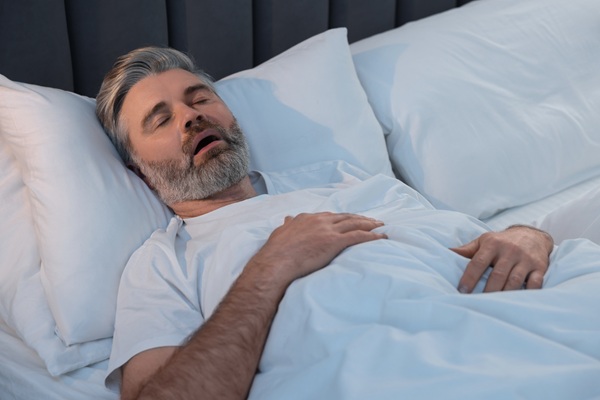
Sleep apnea is a disorder in which your breathing stops and starts periodically throughout sleep. When this occurs, your body awakens you and tells you to start breathing again. Repeated sleep disturbances make it harder to sleep properly, and you will be especially fatigued throughout the day.
Sleep apnea affects you beyond daytime fatigue. Without treatment, the condition may lead to heart disease, diabetes, and other long-term health issues.
The impact of sleep apnea
When the airway gets clogged or collapses while sleeping, someone might experience sleep apnea. Patients might gasp loudly as breathing resumes, stirring them and their sleeping companion out of sleep. Obesity and high blood pressure are two of the health conditions connected to sleep apnea. These conditions, along with sleep deprivation, may affect various physiological systems.
When breathing ceases, longer periods of oxygen deprivation result in a slower heart rate. The body's involuntary reflexes will try to restart breathing by forcing a wake-up. As a result, the person's heart rate and blood pressure go up much faster.
Some changes occur immediately after breathing stops. When breathing stops too often, the body begins to suffer long-term consequences. Scientists report that those who stop breathing at least 30 times an hour are at a greater risk. There is, however, a danger even at lower frequency rates of breathing cessation.
The heart's walls thicken, and the structure changes due to the greater exertion on the heart. Due to the more fibrous cells forming in between the muscle cells, the heart becomes stiffer and less flexible with time. Atrial or ventricular arrhythmias are more likely with any of those factors. The heart's ability to pump blood also becomes less efficient.
Sleep apnea also has different effects on the human brain. People who have sleep apnea are more prone to suffer from depression. Additionally, those who suffer from sleep apnea are also at risk of memory loss and irritability. Other areas affected by sleep apnea include:
The respiratory system
Sleep apnea may aggravate asthma and chronic obstructive pulmonary disease (COPD) symptoms due to reduced oxygen intake during sleep. Patients might experience breath shortage or struggle with exercising.
The circulatory and cardiovascular systems
Obesity and high blood pressure are associated with sleep apnea, both of which put additional strain on the heart. Patients with apnea are more likely to develop an irregular heart rhythm, such as atrial fibrillation, which may make them susceptible to a stroke. People with sleep apnea are more likely to experience heart failure.
The gastrointestinal tract
Sleep apnea predisposes patients to fatty liver disease, liver scarring, and elevated liver enzyme levels. Heartburn and other symptoms of gastroesophageal reflux disease (GERD) may be exacerbated by apnea, further disrupting one's sleep.
The endocrine system
Insulin resistance, a disorder in which cells respond poorly to the hormone insulin, is more common in those with sleep apnea. When the cells do not take up enough insulin, the blood sugar level increases, resulting in type 2 diabetes.
Scientists have also linked sleep apnea to metabolic syndrome, a group of risk factors for heart disease: high blood pressure, high LDL cholesterol, high blood sugar, and an oversized waist circumference.
Nervous system
Central sleep apnea is caused by interruptions in the brain's signals that allow breathing. Numbness and tingling are common neurological signs of this form of sleep apnea. In rare cases, central sleep apnea might co-occur with obstructive sleep apnea.
Reproduction system
Sleep apnea might make people want to have sex less. It may cause erectile dysfunction in males and affect their reproduction abilities. Sleep apnea can also result in symptoms like dry mouth or sore throat, recurrent headaches, trouble with concentration, and irritability.
Final note
Many people are aware that apnea is hazardous to their health and that it may have long-term and perhaps disastrous consequences. Learning more about the condition is important for fighting it and preventing its effects on the body. After learning the essentials, you may begin your own battle against this illness.
Sleep apnea may impair your sleep and put you at risk for various worrisome health risks, but it is treatable. Continuous positive airway pressure (CPAP) and oral appliances are two treatments that maintain oxygen flowing into your lungs while you sleep. Losing weight may help with sleep apnea symptoms while lowering your risk of heart disease. Patients and loved ones with sleep apnea get diagnosed and treated, giving them a better chance of a comfortable night's sleep in the long run. Talk to the dentist to know what treatment or lifestyle changes they might recommend.
Request an appointment here: https://northgeorgiasmiles.com or call North Georgia Smiles at (770) 889-7867 for an appointment in our Cumming office.
Check out what others are saying about our dental services on Yelp: Do I Have Sleep Apnea in Cumming, GA.
Related Posts
Sleep apnea disrupts breathing during sleep and increases the risk of daytime fatigue, headaches, and cardiovascular strain. A general dentist evaluates airway health during routine visits and identifies red flags such as snoring, grinding, and jaw crowding. When appropriate, the dentist collaborates with a physician to confirm a diagnosis, then offers practical options, often an…
Individuals who struggle with symptoms of sleep apnea may not realize the help their dentist can provide by assessing or treating this sleep disorder. Dentists will often ask patients about their sleep habits to assess the possibility of an individual dealing with apnea, though there are other oral health signs that could lead to a…
Wondering about dental implants? Read on to learn more. If you have experienced tooth loss and are exploring potential replacement options, then you have probably heard about dental implants. Dentists and patients are turning to tooth implants because it is provenly effective for replacing missing teeth. However, there are different implants, each of which is…
Missing one tooth or multiple teeth can make it harder to perform everyday functions. It can also make you feel self-conscious about smiling. Dental implants not only restore the function and appearance of your smile, but they also help restore your everyday oral health.Dental implants are artificial tooth roots surgically placed in a person's jawbone.…